How to Prevent Blisters When Running (Complete Guide)
How to Prevent Blisters When Running (Complete Guide)
Blisters are one of the most common—and frustrating—problems runners face. Whether you’re training for your first 5K or a marathon, a single blister can quickly disrupt your progress.
The good news? Blisters are highly preventable when you understand what causes them—and how to stop them before they start.
In this complete guide, you’ll learn how to prevent blisters when running, what actually works (and what doesn’t), and the most effective solutions used by experienced runners.
What Causes Blisters When Running?
Blisters form when friction, heat, and moisture combine to damage the skin.
Here’s what’s happening beneath the surface:
Repetitive rubbing causes layers of skin to separate
Fluid fills the gap → forming a blister
Sweat softens the skin, making it more vulnerable
The most common causes:
Poorly fitting running shoes
Damp or sweaty feet
Friction from socks or seams
Long-distance running without preparation
Ignoring early “hotspots”
If you keep getting blisters in the same place, it’s usually due to repeated friction in that exact area.
Where Do Runners Get Blisters?
Blisters tend to appear in high-friction areas:
Heels
Toes (especially the little toe and between toes)
Ball of the foot
Sides of the foot
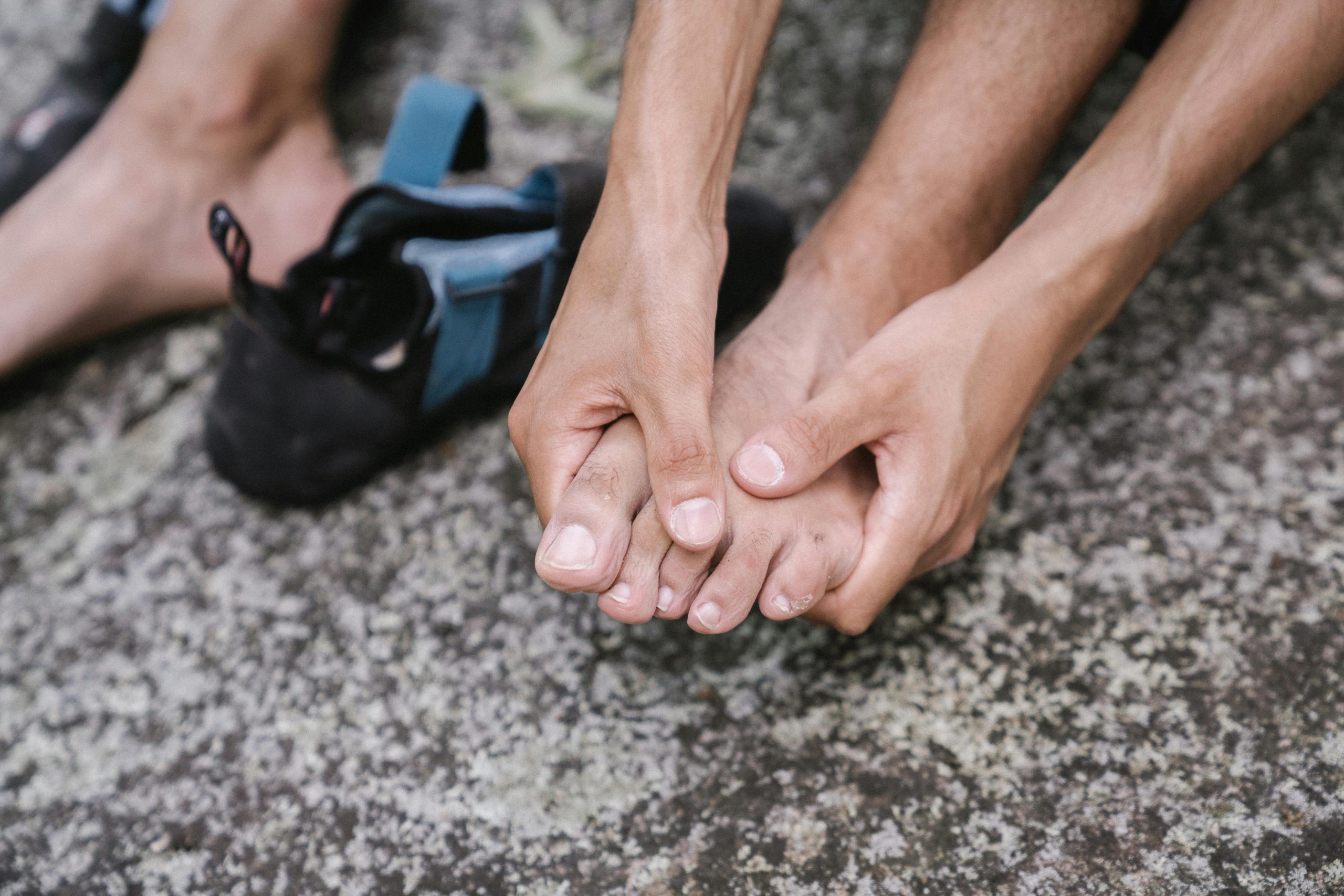
Toe blisters are particularly common due to tight spaces, pressure, and constant movement inside your shoes.
How to Prevent Blisters When Running
Wear Properly Fitting Running Shoes
Your shoes play the biggest role in blister prevention.
Make sure:
You have a thumb’s width at the front
Your heel is secure (no slipping)
The toe box isn’t too tight
Tip: Try shoes on later in the day when your feet are slightly swollen.
Choose the Right Running Socks
Avoid cotton socks—they trap moisture and increase friction.
Instead:
Use moisture-wicking fabrics
Look for seamless designs
Consider double-layer socks for longer runs
Keep Your Feet Dry
Moisture significantly increases blister risk.
To reduce it:
Use foot powder or anti-perspirant
Change socks on long runs
Let shoes dry fully between runs
Use Lubrication (With Caution)
Anti-chafing balms and Vaseline can reduce friction—but:
They wear off over time
Less effective in wet conditions
Can feel greasy
Best for short runs, but not always reliable for longer distances.
Protect Hotspots Early (Most Important Step)
If you feel a “hotspot” (warmth or irritation), act immediately.
The key is to:
Create a protective barrier
Reduce friction instantly
Stop the blister forming
This is where specialist blister protection products make the biggest difference.
The Best Blister Prevention Solutions for Runners
Hydrocolloid Blister Tape (All-Purpose Protection)
Hydrocolloid technology—commonly used in medical settings—is one of the most effective ways to prevent blisters.
Find our 5m roll of Hydrocolloid Tape here.
Why it works:
Forms a protective “second skin”
Reduces friction and pressure
Stays in place during long, sweaty runs
Cushions high-impact areas
Ideal for heels, arches, and the ball of the foot
Toe-Specific Blister Plasters (Targeted Protection for Toes)
Toe blisters are among the hardest to prevent because of how much movement, compression, and moisture occurs in that area.
That’s where blister plasters designed specifically for toes come in – check our our Hydrocolloid Blister Plasters for Toes here.
Why they’re so effective:
Shaped to fit comfortably around or between toes
Stay securely in place (even in tight shoes)
Reduce rubbing from neighbouring toes
Provide cushioning without adding bulk
Unlike standard plasters, toe-specific designs don’t bunch up or fall off mid-run.
They’re especially useful if you:
Get blisters on your little toe
Suffer from rubbing between toes
Run longer distances where toe friction increases
For many runners, switching to toe-specific blister plasters is a simple but game-changing upgrade.
Blister Prevention for Long Runs & Race Day
If you’re running longer distances, preparation is critical.
Before your run:
Trim toenails
Apply protection to known hotspots (especially toes and heels)
Wear well-tested gear (nothing new)
During your run:
Don’t ignore hotspots
Stop early and apply protection if needed
After your run:
Dry your feet quickly
Treat any irritation before your next session
Common Blister Prevention Mistakes
Avoid these common errors:
❌ Ignoring hotspots
❌ Wearing brand new shoes on long runs
❌ Using cotton socks
❌ Relying only on lubrication
❌ Not protecting toes specifically
How to Toughen Your Feet (Safely)
Some adaptation helps—but avoid extremes.
✔ Build mileage gradually
✔ Let your skin adapt naturally
✔ Keep feet dry and protected
🚫 Don’t run through pain—it usually leads to worse blisters
Final Thoughts: How to Run Without Blisters
Blister prevention comes down to three key principles:
Reduce friction
Manage moisture
Protect problem areas early
For most runners, the biggest improvement comes from targeted protection—especially in high-risk areas like the toes and heels.
Ready to Run Blister-Free?
If you regularly struggle with blisters, using the right protection can make a huge difference.
Explore our range of:
Medical-grade hydrocolloid blister tape
Toe-specific blister plasters designed for runners
…and stay comfortable mile after mile.