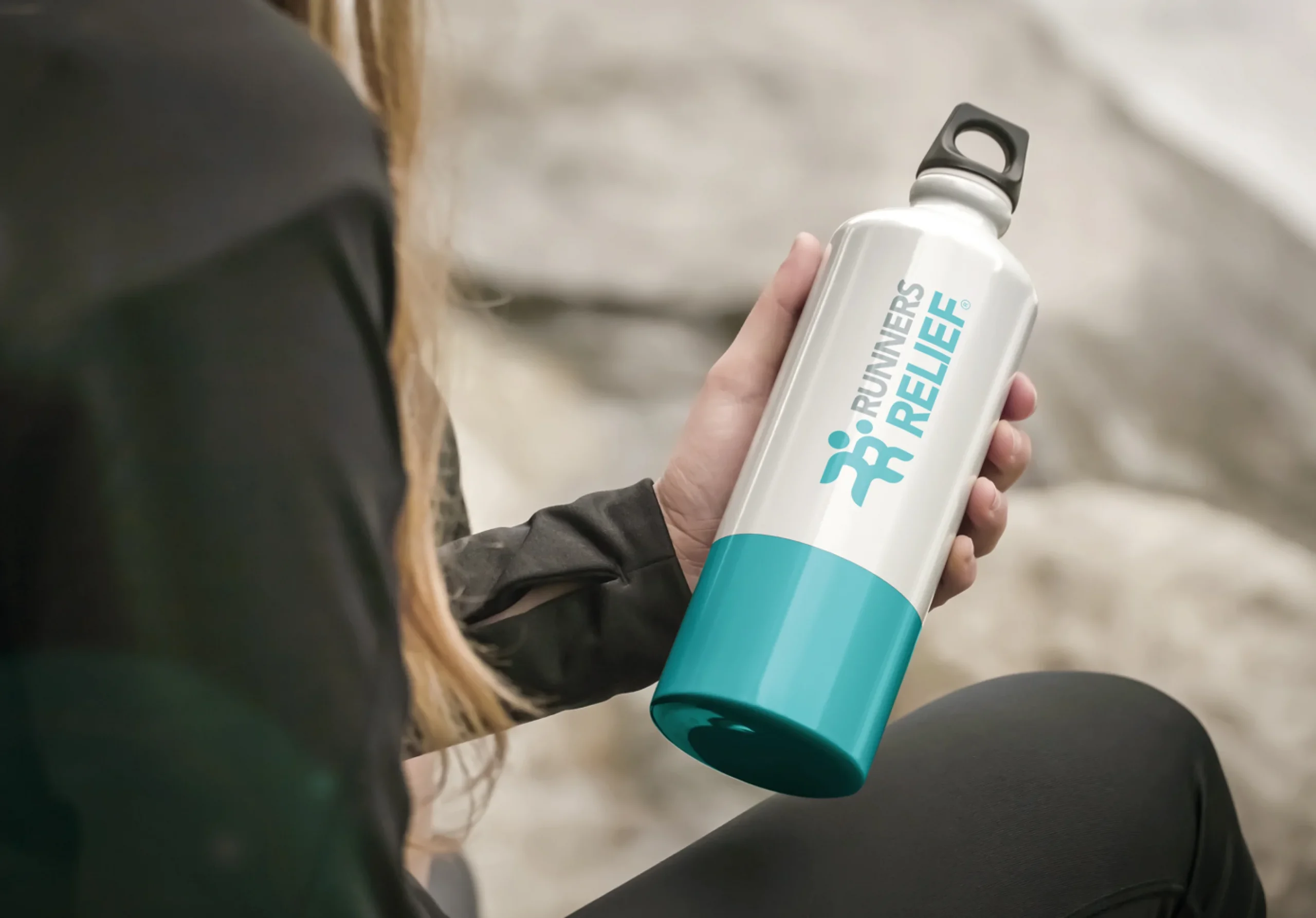
What to Drink During a Marathon: A Complete Hydration Guide
How Much and What to Drink While Running a Marathon: A Complete Hydration Guide
Running a marathon is a true test of endurance, preparation, and willpower. While training schedules, gear, and nutrition plans are often in the spotlight, one critical factor that can make or break your race day experience is hydration. Knowing how much to drink and what type of fluid to consume during a marathon is essential for peak performance, avoiding dehydration, and preventing dangerous conditions like hyponatremia.
In this guide, we’ll break down the science of hydration, explore your drink options, and give practical tips for staying properly hydrated during those 26.2 miles.
Why Hydration Matters in a Marathon
During a marathon, your body loses water primarily through sweat and respiration. On average, runners can lose between 500ml and 2 litres of fluid per hour, depending on pace, body size, weather conditions, and individual sweat rate. When you lose too much fluid and don’t replace it, dehydration sets in, which can lead to:
• Fatigue
• Cramps
• Impaired thermoregulation
• Headaches
• Reduced mental clarity
• Increased heart rate
Conversely, overhydration (drinking too much water) can dilute your blood sodium levels, leading to hyponatremia, a potentially life-threatening condition.
That’s why balancing how much you drink and what you drink is vital.
How Much to Drink During a Marathon
The answer isn’t “as much as you can.” The best approach is to drink to thirst—meaning, sip fluids regularly but avoid overdoing it.
General Guidelines
• Average recommendation: 400–800 ml per hour
• More accurate: Calculate your sweat rate (see below)
• Adjust based on weather: Hotter conditions = more sweat = more fluid needed
How to Calculate Your Sweat Rate
You can do a sweat rate test during a long run:
1. Weigh yourself before and after a 1-hour run (nude, or in dry clothes).
2. Measure how much fluid you consumed during that hour.
3. Subtract your post-run weight from your pre-run weight to find how much fluid you lost.
4. Add the amount of fluid you drank during the run.
5. The total is your sweat rate per hour.
Example:
• Pre-run weight: 85 kg
• Post-run weight: 84.5kg
• Weight loss: 0.5kg
• You drank: 250ml
• Total loss = 0.5kg + 250ml / g = 250ml/g per hour
That’s how much you should aim to replace during the marathon—but remember, it’s okay to replenish only 75–80% of your loss to avoid overhydration.
What Type of Fluid Should You Drink?
During a marathon, it’s not just about water. You also need electrolytes (especially sodium) and carbohydrates to sustain energy and maintain electrolyte balance.
1. Water
• Pros: Readily available, no sugar or additives
• Cons: Doesn’t replace electrolytes or provide energy
• Best for: Short races, supplementing sports drinks
2. Sports Drinks
• Contain: Water, sodium, potassium, carbs (usually sugars)
• Pros: Replaces electrolytes and provides quick energy
• Look for: ~4–8% carbohydrate concentration (about 14–20g per 250ml)
• Brands: Gatorade, Powerade, Nuun Endurance, Maurten
3. Electrolyte Drinks/Tablets
• Lower carb or zero carb options
• Great for hot races or runners who prefer gels for carbs
• Brands: Nuun Sport, SIS, High5, SaltStick
4. Hydration Mixes with Carbs
• Mix powders into your own bottle or hydration pack
• Can serve as your primary energy and hydration source
• Customizable based on needs (e.g., Maurten, Skratch Labs, Precision Hydration)
When and How Often to Drink During a Marathon
Aid Station Strategy
Most marathons have aid stations every 1.5 to 2 miles. A good rule of thumb is:
• Sip 75ml of fluid at each aid station
• Alternate between water and sports drinks if both are available
• Start drinking early—don’t wait until you feel thirsty
Carrying Your Own Fluids
Some runners prefer more control over hydration and carry:
• Handheld bottles
• Hydration belts
• Hydration vests or packs
This approach lets you consume fluids and electrolytes on your schedule—but it adds weight and requires training with the gear.
Special Considerations
Hot and Humid Conditions
• Increase fluid and electrolyte intake
• Consider electrolyte capsules
• Wear light, breathable gear
• Train in similar conditions if possible
Cold Weather
• You still need fluids! Cold air increases fluid loss via respiration
• You may feel less thirsty, so set reminders or stick to a drinking schedule
Caffeine
• Some sports drinks and gels contain caffeine
• Can boost performance, but test in training first
• Avoid excessive caffeine as it can have diuretic effects in some runners
Practical Tips for Race Day
1. Train your gut: Practice your hydration strategy during long runs so your stomach can handle it on race day.
2. Know the course: Study where aid stations are located and what drinks they serve.
3. Label your bottles: If you’re carrying your own fluids, label them clearly with carb/electrolyte content.
4. Use small sips: Gulping too much at once can lead to sloshing and cramps.
5. Pre-hydrate: Start the race well-hydrated. Drink small amounts consistently the day before and morning of the race.
6. Weigh yourself post-race: A weight loss of 2–3% is expected, but more than that may signal dehydration.
Final Thoughts
Every runner is different, so the best hydration strategy is one that’s personalised through training and experimentation. Use general guidelines as a starting point, but let your sweat rate, weather, and personal comfort guide you.
Remember: marathon success isn’t just about speed—it’s also about smart hydration. With the right balance of fluids, electrolytes, and carbohydrates, you’ll be well-equipped to finish strong and safe.